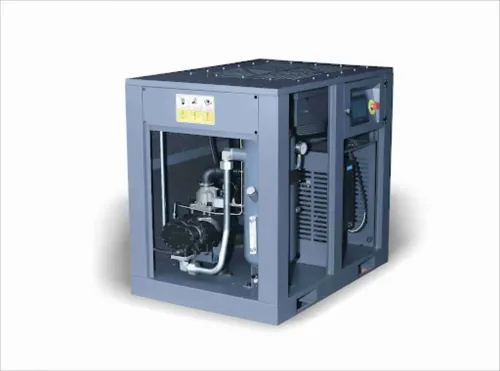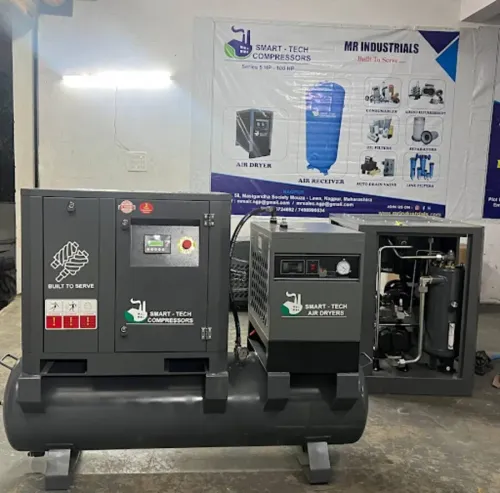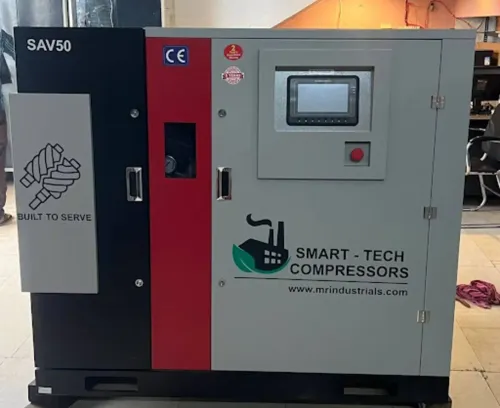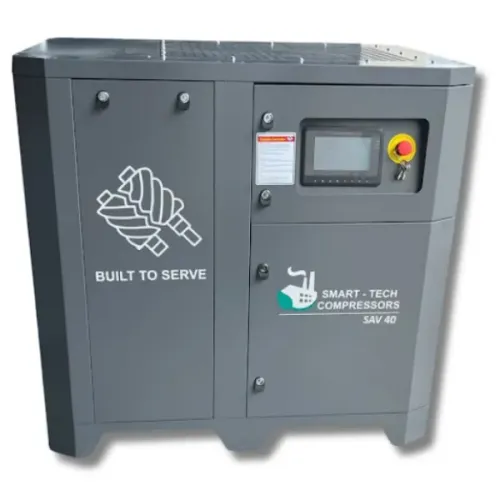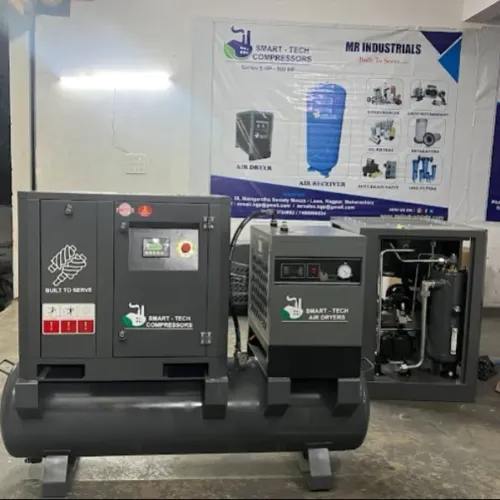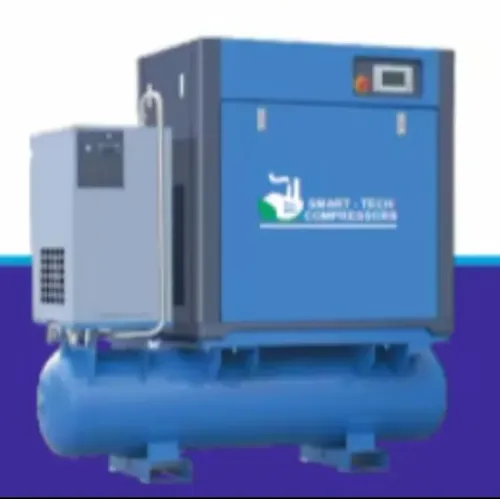
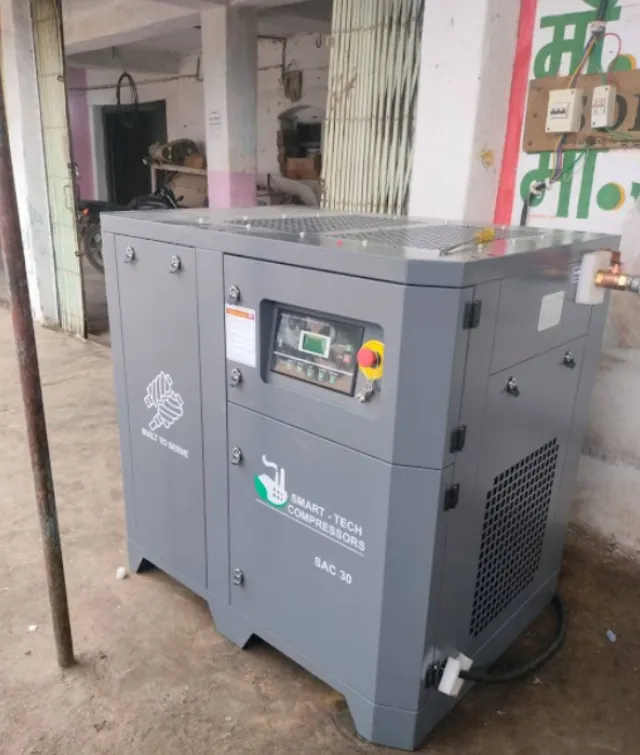
Every manufacturing facility has unique compressed air requirements. Some production units experience fluctuating air demand throughout the day, while others operate with a fairly consistent workload. For businesses with stable production schedules, a Fix Speed Compressor is often a practical and dependable solution.
Understanding where this type of compressor performs best helps businesses make informed purchasing decisions and avoid investing in equipment that may not match their operational needs.
What Is a Fix Speed Compressor?
A fix speed compressor operates at a constant motor speed whenever it is running. Once the system reaches the preset pressure, the compressor unloads or stops depending on the control mechanism before restarting when pressure drops.
This straightforward operating principle makes it suitable for facilities where compressed air consumption remains relatively steady during working hours.
Industries That Benefit Most
A fix speed compressor is commonly used in:
- General engineering workshops
- Fabrication industries
- CNC machining facilities
- Plastic processing units
- Metalworking industries
- Printing operations
- Textile manufacturing
- Assembly plants
Businesses with predictable production schedules often find that a constant-speed compressor delivers reliable performance without unnecessary complexity.
When Is a Fix Speed Compressor the Right Choice?
A fixed-speed system performs well when:
- Air demand remains consistent throughout the shift.
- Production operates at similar capacity every day.
- Multiple machines require continuous compressed air.
- Production planning follows fixed operating hours.
- Peak demand fluctuations are minimal.
If air usage changes dramatically throughout the day, another compressor type may offer greater energy savings.
Advantages of Choosing a Fix Speed Compressor
Many industrial businesses continue using fix speed compressors because they offer:
- Reliable continuous performance
- Simple operating controls
- Proven engineering design
- Lower initial investment in many applications
- Straightforward maintenance
- Easy integration into existing compressed air systems
Their long-established technology also makes spare parts and servicing widely available.
Common Buying Mistakes
Businesses sometimes purchase compressors based only on horsepower. However, compressor selection should also include:
- Required airflow (CFM)
- Operating pressure
- Daily running hours
- Expansion plans
- Available installation space
- Environmental conditions
An oversized compressor may increase electricity costs, while an undersized model can reduce production efficiency.
Maintenance Tips for Long-Term Performance
Routine servicing helps maximize equipment life.
Key maintenance practices include:
- Replacing intake filters regularly.
- Monitoring compressor oil quality.
- Inspecting cooling systems.
- Checking pressure settings.
- Identifying compressed air leaks.
- Recording operating temperatures.
Preventive maintenance also reduces unexpected production interruptions.
Selecting a Reliable Supplier
Purchasing industrial equipment involves more than comparing specifications. Manufacturers often evaluate supplier experience, product quality, service support, and long-term availability of spare parts before making a decision.
Industrial businesses across Nagpur and other manufacturing regions in Maharashtra frequently look for engineering companies capable of recommending equipment based on operational requirements rather than generic catalog specifications.
MR Industrials supports manufacturers with industrial compressed air solutions that are selected according to production needs and operating conditions.
A fixed speed compressor remains an excellent option for facilities with stable compressed air demand, providing dependable performance while supporting efficient day-to-day manufacturing operations.
Keywords