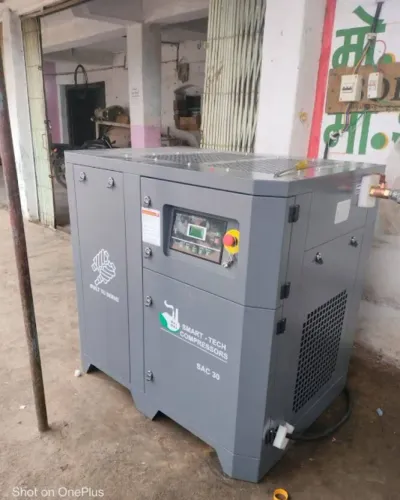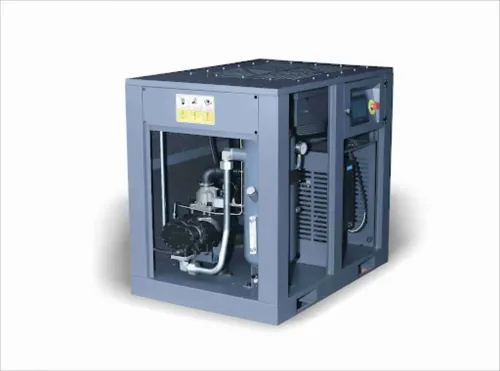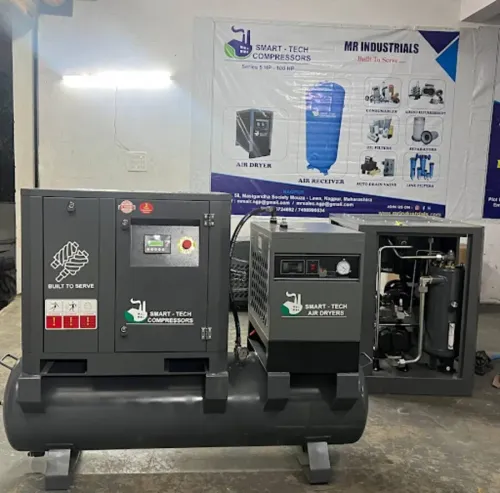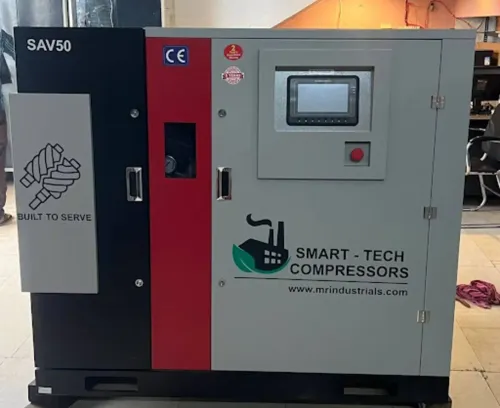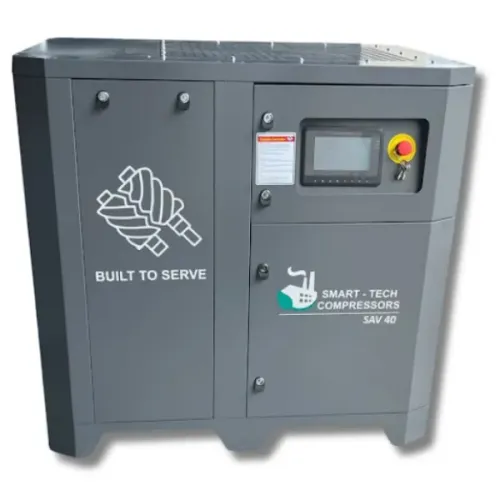
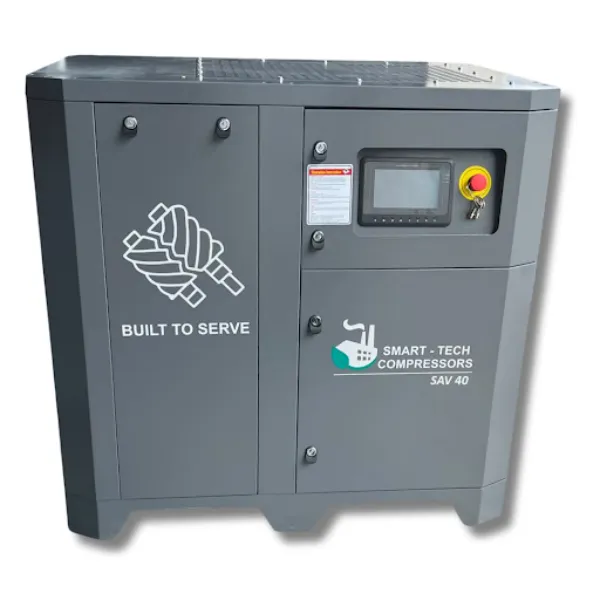
Compressed air is widely used throughout modern food processing facilities. Whether operating automated production equipment, packaging systems, or pneumatic controls, selecting an appropriate Air Compressor for Food Industry applications contributes to efficient and dependable manufacturing.
Because food production combines high output with strict operational standards, compressed air systems should be selected with equal attention to performance, reliability, and air quality.
Where Compressed Air Is Used
Food manufacturers commonly use compressed air for:
- Product packaging
- Filling machines
- Pneumatic conveying
- Automated production lines
- Ingredient handling
- Sorting systems
- Bottle filling
- Cleaning equipment
These operations require dependable airflow to maintain production continuity.
Why Air Quality Deserves Attention
Compressed air can influence production equipment and, in some applications, may interact with food processing environments.
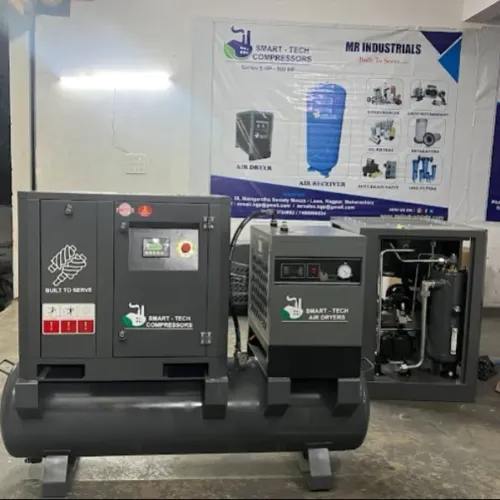
A complete compressed air installation may include:
- Refrigerated or desiccant dryers
- Multi-stage filtration
- Air receivers
- Moisture removal systems
- Pressure regulators
- Monitoring devices
Proper system design helps maintain consistent compressed air quality throughout the production process.
Choosing the Right Compressor
Several operational factors should guide equipment selection.
Required Airflow
Calculate total compressed air demand during peak production.
Operating Pressure
Equipment should receive pressure appropriate for its intended operation.
Production Schedule
Facilities operating multiple shifts often require compressors designed for continuous duty.
Expansion Plans
Future increases in production should be considered before purchasing new equipment.
Improving Energy Efficiency
Food manufacturing businesses can reduce compressed air operating costs by:
- Repairing air leaks promptly
- Monitoring compressor loading
- Cleaning filters regularly
- Maintaining proper pressure settings
- Scheduling preventive maintenance
- Reviewing system performance periodically
Even small improvements can produce meaningful savings over time.
Maintenance Supports Reliable Production
Routine servicing should include:
- Inspecting intake filters
- Replacing separator elements
- Servicing dryers
- Checking oil condition where applicable
- Monitoring cooling systems
- Recording operating performance
Preventive maintenance helps reduce unexpected equipment failures while supporting production continuity.
Selecting an Industrial Equipment Supplier
Food manufacturers frequently evaluate engineering expertise, technical support, and long-term service availability before selecting compressed air equipment.
Businesses located in Nagpur often work with engineering companies serving manufacturing customers across Maharashtra by supplying compressed air systems designed around application-specific requirements.
MR Industrials provides industrial compressed air solutions that help food processing businesses identify equipment suited to their production environments.
Choosing the right air compressor allows food manufacturers to improve efficiency, support reliable production, and maintain consistent operational performance.
Keywords