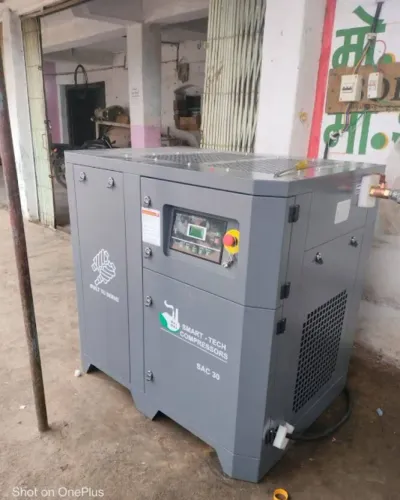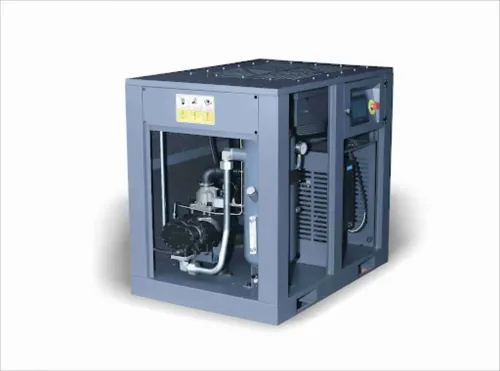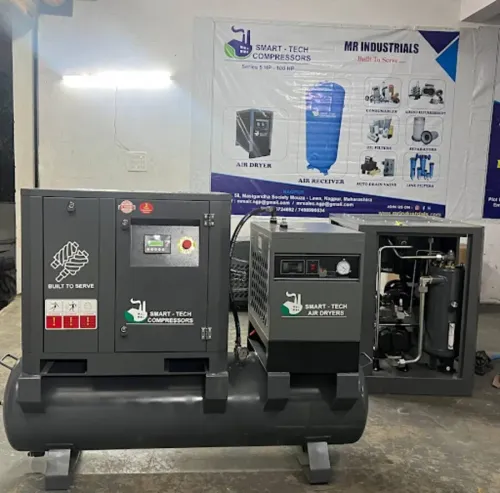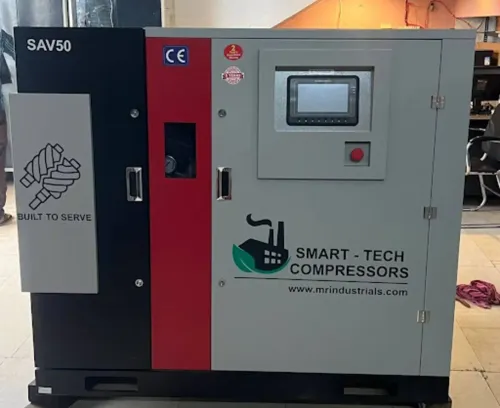
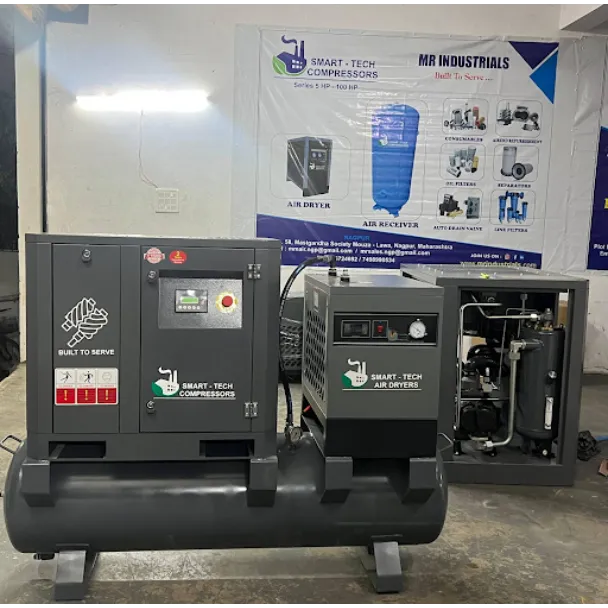
A compressed air system that performed well several years ago may no longer meet today's production demands. As manufacturing grows, equipment experiences wear, production volumes increase, and energy costs become more significant. Recognizing when to upgrade an Industrial Screw Air Compressor can help businesses avoid costly downtime and improve operational efficiency.
Rather than waiting for a complete breakdown, manufacturers benefit from identifying early warning signs that indicate their existing compressor is reaching its limits.
Frequent Pressure Drops
One of the clearest indicators is inconsistent air pressure.
If production equipment regularly experiences pressure fluctuations, it may suggest that the compressor is no longer capable of supplying sufficient airflow during peak demand.
Pressure instability can affect:
- CNC machines
- Pneumatic tools
- Automation systems
- Packaging equipment
- Material handling operations
Rising Electricity Bills
Older compressors often consume more electricity than newer models delivering similar performance.
If electricity usage continues to rise despite stable production levels, the compressed air system deserves closer evaluation.
Modern compressor technologies frequently offer improved energy efficiency through better air-end design, intelligent controls, and optimized motor performance.
Increasing Maintenance Costs
When routine servicing becomes increasingly frequent, operating costs also rise.
Repeated replacement of components such as:
- Filters
- Bearings
- Belts
- Oil separators
- Cooling system parts
may indicate that replacing the compressor is more economical than continuing repairs.
Growing Production Requirements
Manufacturing businesses often expand gradually.
Additional machines, new production lines, and longer operating hours increase compressed air demand.
If operators regularly wait for pressure recovery or notice reduced machine performance, existing compressor capacity may no longer be sufficient.
New Technology Offers Better Performance
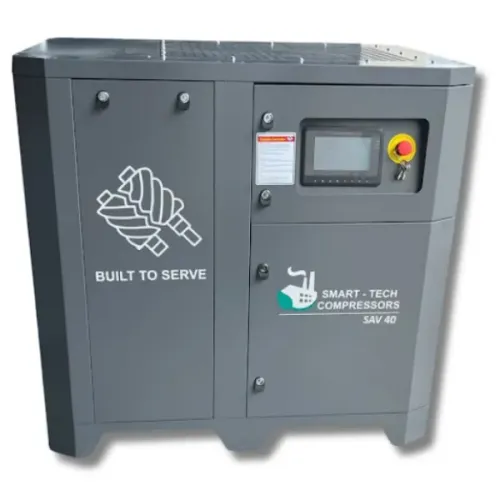
Recent industrial screw air compressors often include:
- Improved energy efficiency
- Better monitoring systems
- Lower operating noise
- Advanced control panels
- Easier maintenance access
- Higher operational reliability
These improvements contribute to reduced operating costs over the equipment's lifespan.
Planning an Upgrade
Before replacing an existing compressor, evaluate:
- Current airflow consumption.
- Future production plans.
- Existing piping condition.
- Air treatment requirements.
- Energy consumption patterns.
- Maintenance history.
A complete system assessment helps ensure the replacement matches operational requirements.
Choosing an Experienced Supplier
Industrial businesses in Nagpur frequently work with engineering companies supporting manufacturers across Maharashtra through application-focused compressed air solutions.
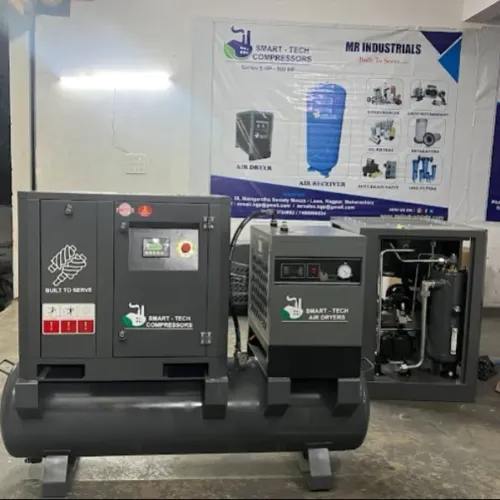
MR Industrials assists businesses in evaluating compressed air requirements and selecting industrial screw air compressor systems that align with both current production and future expansion plans.
Upgrading at the right time can improve productivity, reduce operating costs, and help create a more dependable manufacturing environment.
Keywords