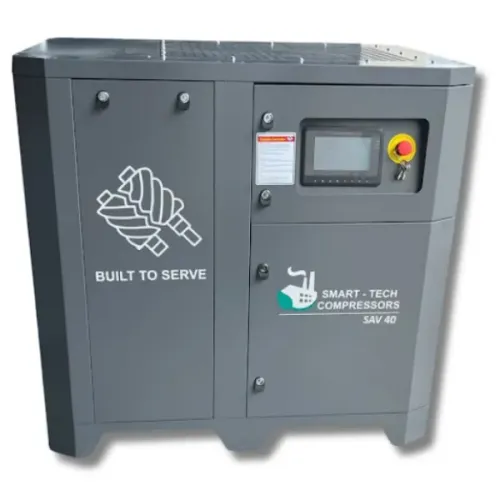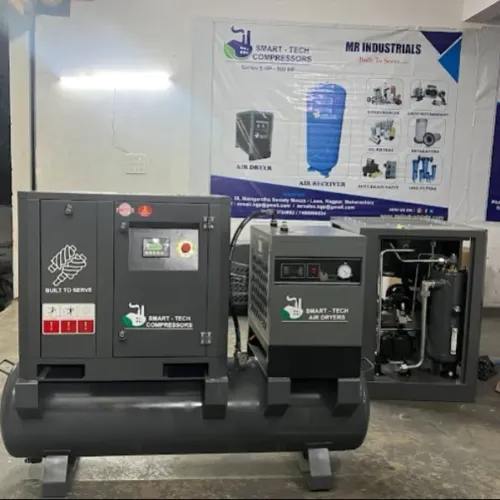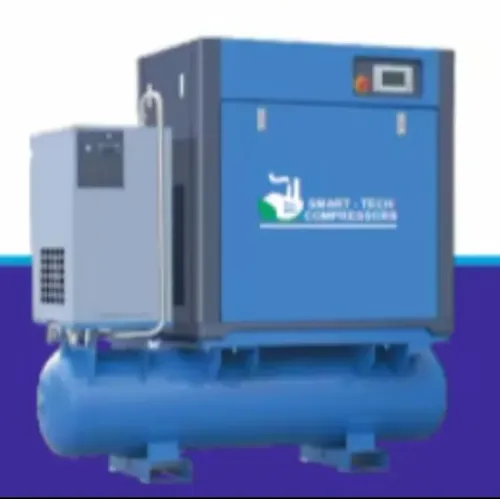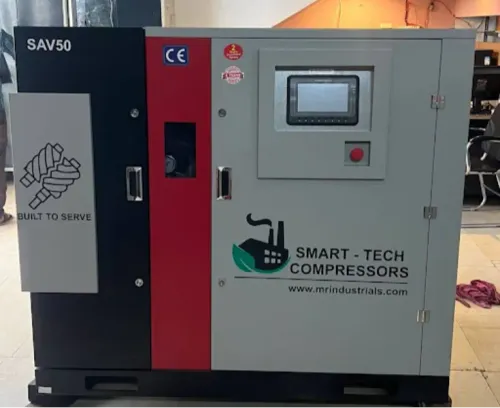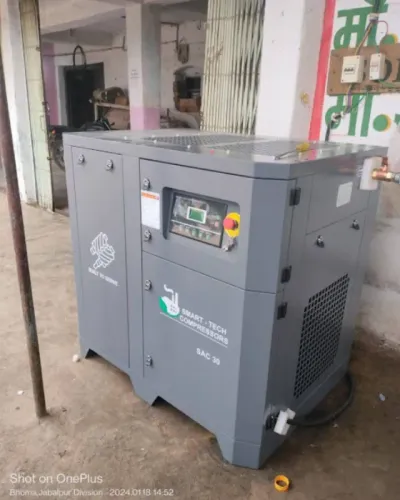
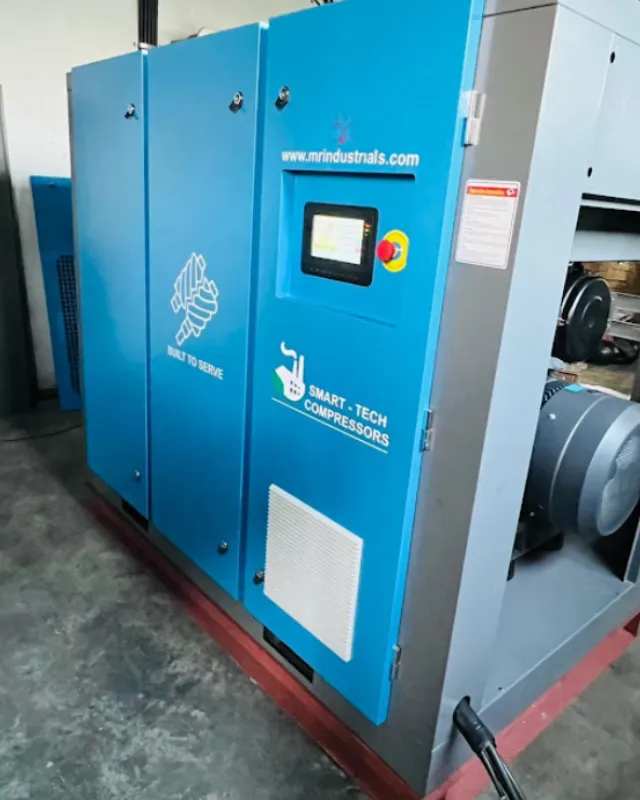
As production requirements increase, manufacturing facilities often discover that their existing compressed air systems can no longer keep pace. At this stage, investing in an Industrial Air Compressor becomes less about adding equipment and more about supporting operational growth.
Compressed air powers numerous industrial applications, making it one of the most important utilities within modern manufacturing facilities.
Why Compressed Air Is Critical
Industrial air compressors support operations such as:
- Pneumatic machinery
- Automated production equipment
- Material handling systems
- Spray painting
- Packaging machinery
- Assembly lines
- Cleaning processes
- Instrumentation
Without a reliable compressed air supply, production delays and equipment inefficiencies become more likely.
Common Signs That Your Existing System Is No Longer Enough
Several indicators suggest that a facility may require a higher-capacity industrial air compressor.
These include:
- Frequent pressure drops
- Multiple machines competing for airflow
- Increased compressor running time
- Rising electricity consumption
- Unexpected equipment shutdowns
- Difficulty meeting production targets
Ignoring these signs can affect both operational efficiency and maintenance costs.
Selecting Equipment Based on Operational Needs
Every facility has different compressed air requirements.
When evaluating equipment, consider:
Production Schedule
Continuous manufacturing typically requires compressors designed for extended operation.
Air Demand Patterns
Peak demand periods should be considered rather than average consumption alone.
Expansion Plans
Future production increases may require additional compressed air capacity.
Environmental Conditions
Installation temperature, ventilation, and dust levels influence compressor performance.
Energy Consumption Should Never Be Overlooked
Compressed air systems can account for a considerable share of industrial electricity usage.
Improving efficiency may involve:
- Selecting correctly sized equipment
- Eliminating air leaks
- Installing efficient control systems
- Maintaining filters
- Monitoring system pressure
These measures help lower operating expenses over time.
Creating a Reliable Compressed Air System
An industrial air compressor performs best when integrated with supporting equipment such as:
- Air receivers
- Refrigerated dryers
- Air filters
- Moisture separators
- Distribution piping
- Pressure monitoring systems
Each component contributes to delivering stable, high-quality compressed air throughout the facility.
Preventive Maintenance Improves Reliability
Routine maintenance should include:
- Filter replacement
- Oil inspection
- Leak detection
- Cooling system cleaning
- Pressure calibration
- Operating temperature checks
Scheduled maintenance reduces unexpected downtime while extending equipment lifespan.
Choosing an Experienced Engineering Partner
Manufacturing businesses often prioritize suppliers that understand industrial production requirements instead of offering one-size-fits-all equipment.
Companies operating in Nagpur serve a broad range of manufacturing sectors across Maharashtra, supplying industrial air compressor systems designed around application-specific requirements.
MR Industrials works with manufacturers seeking dependable industrial air solutions by helping identify equipment suited to varying production capacities and operating conditions.
Selecting the right industrial air compressor supports long-term manufacturing efficiency, improves productivity, and provides a stable foundation for future operational growth.
Keywords