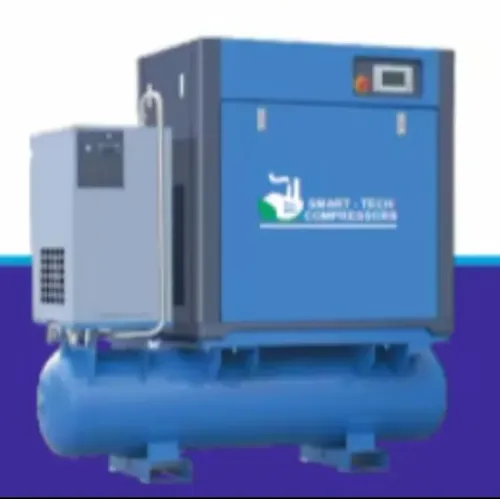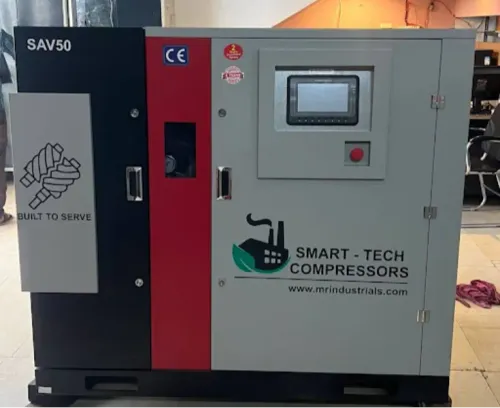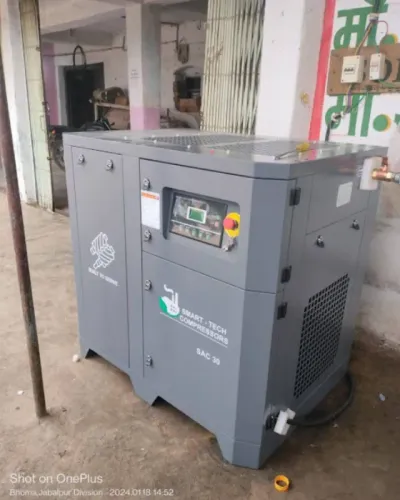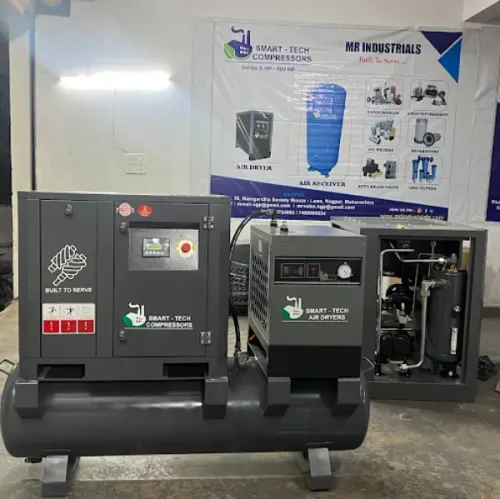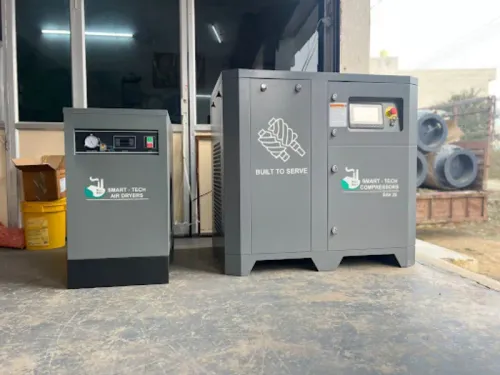
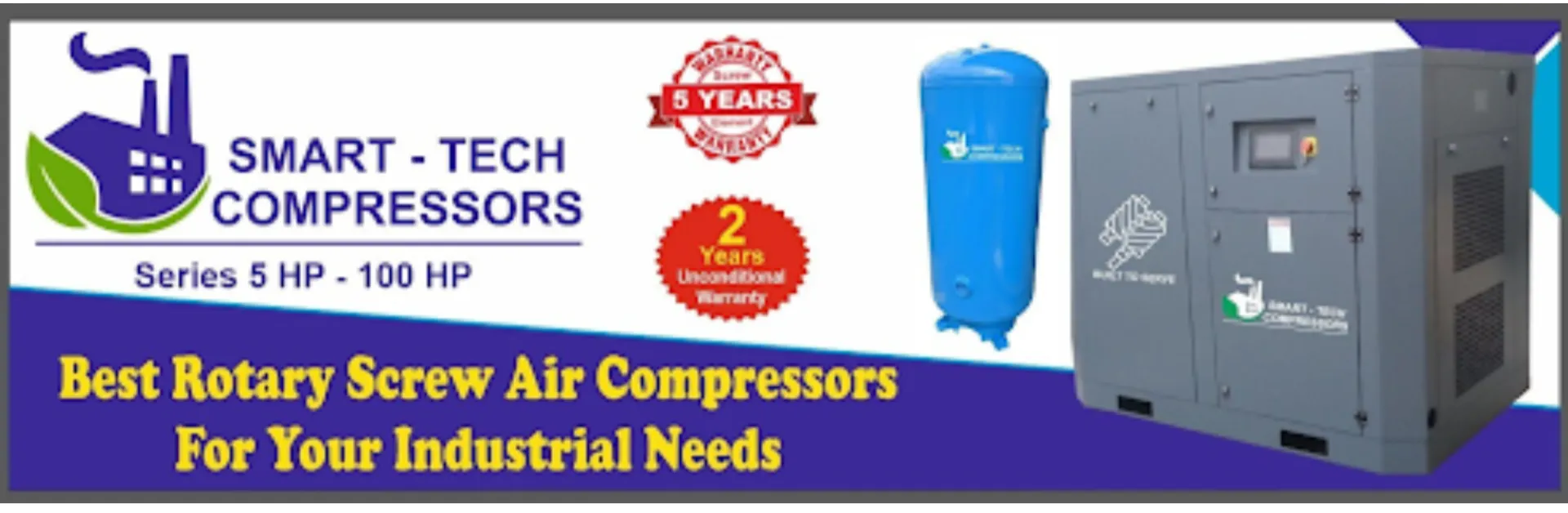
Manufacturing operations depend on reliable compressed air for everything from machine automation to production support. When air demand remains constant throughout the day, a Rotary Screw Air Compressor is often considered one of the most dependable solutions available for industrial use.
Its design focuses on continuous airflow, operational stability, and efficient energy utilization, making it suitable for production environments where interruptions can affect productivity.
What Makes Rotary Screw Technology Different
Instead of using pistons, a rotary screw compressor relies on two precision-engineered rotors that compress air smoothly as they rotate.
This continuous compression process offers several operational benefits:
- Stable airflow
- Minimal pressure fluctuations
- Reduced vibration
- Lower noise levels
- Continuous-duty capability
These characteristics make rotary screw compressors suitable for industries operating multiple shifts.
Industries That Commonly Use Rotary Screw Compressors
Because of their versatility, these compressors are widely used in:
- Automotive manufacturing
- CNC machining facilities
- Steel fabrication
- Plastic processing
- Packaging units
- Food manufacturing
- Pharmaceutical production
- Textile industries
Each industry depends on compressed air for different processes, making proper compressor selection an important operational decision.
Benefits Beyond Air Compression
A rotary screw air compressor contributes to overall production efficiency by supporting smoother workflows.
Some key advantages include:
- Improved production continuity
- Reduced maintenance interruptions
- Better energy utilization
- Longer operating life
- Consistent pressure during peak demand
- Lower operating noise
For facilities running automated equipment, stable compressed air can also improve machine performance.
Choosing the Appropriate Capacity
One of the most common mistakes is purchasing equipment based solely on horsepower.
Instead, businesses should evaluate:
- Required airflow (CFM)
- Working pressure (Bar or PSI)
- Simultaneous machine usage
- Future production growth
- Daily operating hours
An oversized system may consume unnecessary electricity, while an undersized compressor can struggle during peak production.
Importance of Air Quality
Many manufacturing processes require clean compressed air.
Contaminants such as moisture, dust, and oil particles can affect equipment performance and product quality.
Depending on the application, facilities may also require:
- Air dryers
- Line filters
- Moisture separators
- Air receivers
A properly designed compressed air system delivers both pressure and air quality suited to the application.
Maintenance Helps Preserve Performance
Routine inspections can significantly improve equipment reliability.
Recommended practices include:
- Monitoring lubricant levels
- Replacing filters periodically
- Inspecting cooling systems
- Checking pressure settings
- Cleaning intake filters
- Recording operating parameters
Preventive maintenance reduces the likelihood of unexpected production downtime.
Why Supplier Experience Matters
Industrial equipment represents a long-term investment. Businesses often evaluate technical expertise, after-sales support, and engineering capabilities before making a purchasing decision.
Manufacturers located in industrial hubs such as Nagpur frequently support customers across Maharashtra by supplying solutions designed for different production environments.
MR Industrials provides rotary screw air compressor solutions for industries requiring dependable compressed air systems, along with engineering guidance based on operational requirements.
Choosing equipment that matches actual production needs helps businesses improve efficiency while supporting long-term operational reliability.
Keywords